
Bhutan - The Last and Only Shangrila
Bhutan, often hailed as the Last Shangrila, remains a pristine gem nestled in the Himalayas. Despite its small size, this kingdom has captivated the world with its unique blend of ancient traditions and modern developments, making it a must-visit destination.
Un-colonized Resilience
A testament to Bhutan's resilience is its history as the only Himalayan nation never colonized. Despite attempts by the formidable East India Company, Bhutan held its ground through strategic alliances and careful diplomacy. This resilience shaped Bhutan's trajectory, culminating in the establishment of the hereditary Wangchuk monarchy, marking the beginning of a distinctive era of sovereignty.
Gross National Happiness (GNH) and Progressive Leadership
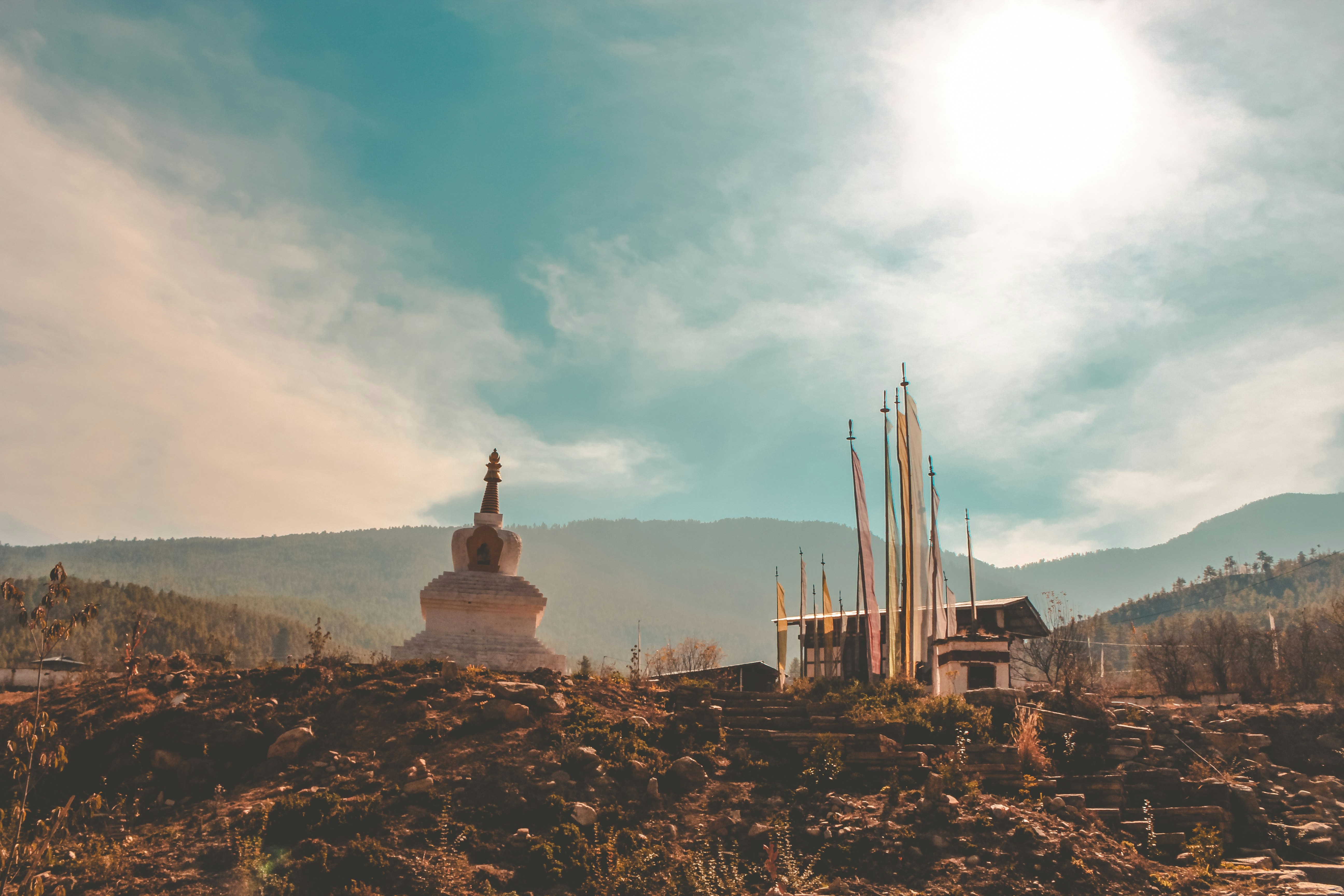
Bhutan is renowned for pioneering the concept of Gross National Happiness (GNH) under the visionary leadership of its Fourth King, Jigme Singye Wangchuk. Emphasizing well-being over material wealth, GNH has become a global paradigm, emphasizing sustainable development and spiritual fulfillment.
In a historic move towards democracy in 2005, Bhutan transitioned from absolute monarchy to constitutional monarchy under King Jigme Singye Wangchuck, ushering in a new era of governance and empowerment. Today, Bhutan stands as a beacon of peaceful democratic transition, marked by active citizen participation and a commitment to preserving cultural heritage.
A Timeless Fusion of Past and Present
Bhutan's landscape, from ancient monastic fortresses (dzongs) to modern infrastructure, reflects a harmonious coexistence of tradition and progress. Visitors can witness this seamless blend as they traverse through medieval villages adorned with prayer flags, alongside state-of-the-art sustainable development initiatives.
Environmental Stewardship
Bhutan's commitment to environmental conservation is unparalleled. The kingdom not only maintains a carbon-negative status but also preserves over 60% of its lush forests, ensuring biodiversity conservation and sustainable development. This pristine environment harbors rare flora and fauna, including the majestic Takin and vibrant orchids, making Bhutan a haven for nature enthusiasts and conservationists alike. 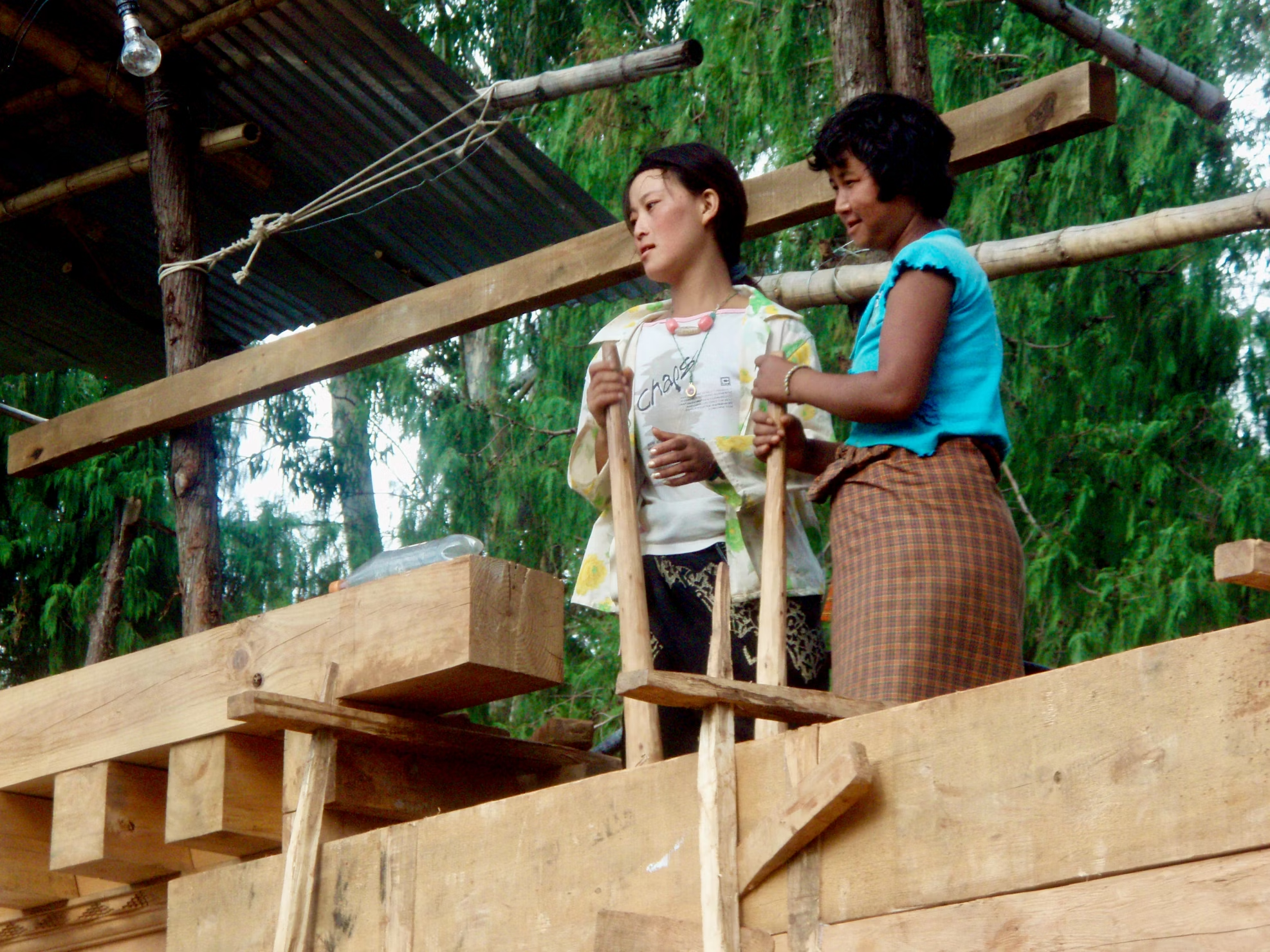
Rich Cultural Tapestry
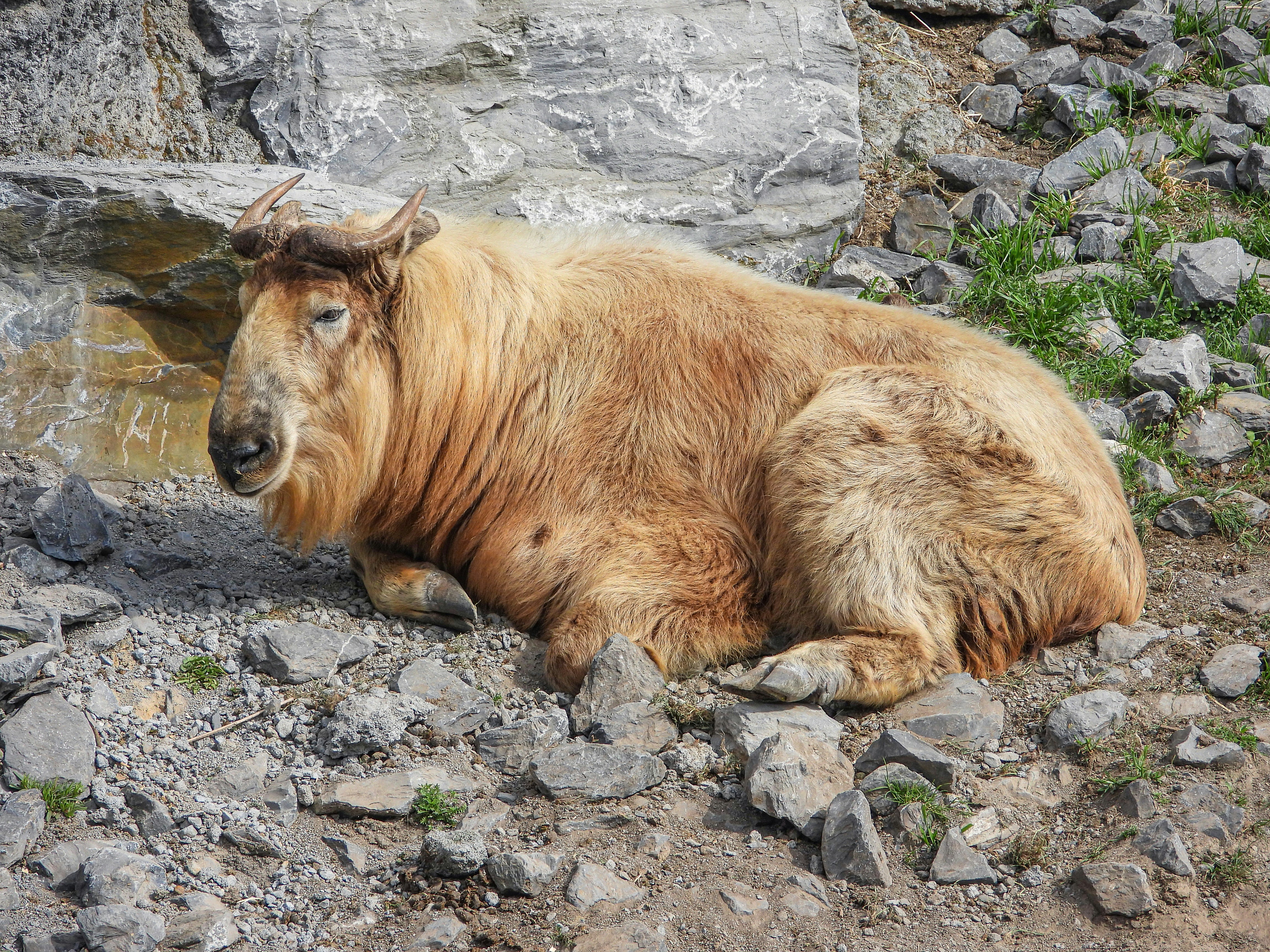
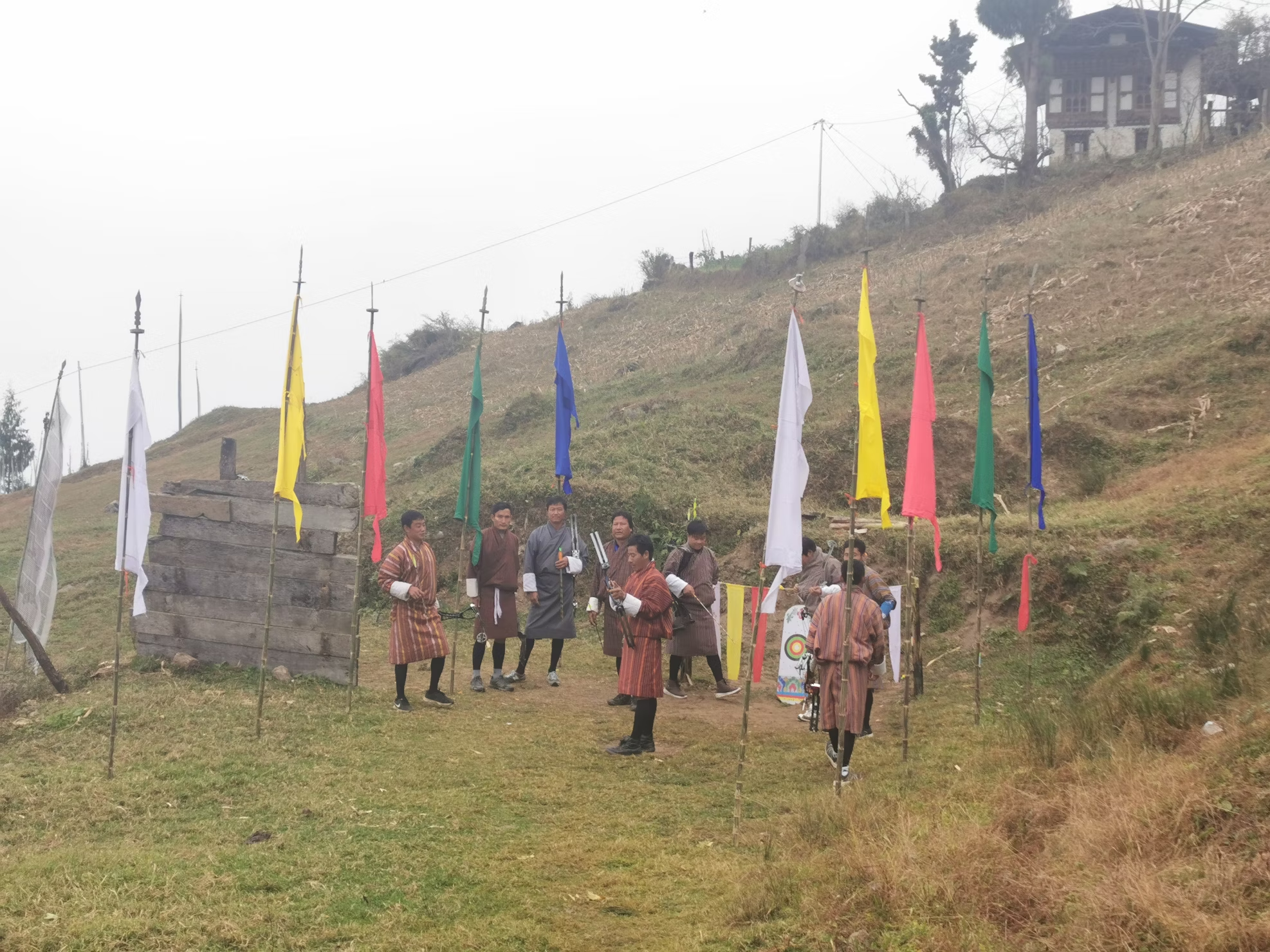
Bhutanese culture is deeply rooted in Buddhism, evident in its ornate architecture, vibrant festivals, and reverence for nature. Monasteries perched on cliffsides, traditional attire (Gho for men, Kira for women), and intricate religious paintings (thangkas) provide a glimpse into Bhutan's spiritual heritage. Festivals like Tshechus offer visitors a chance to witness masked dances, showcasing Bhutanese devotion and communal spirit.
Culinary Delights and National Treasures
Bhutanese cuisine, characterized by its bold flavors and use of chilies, reflects the kingdom's diverse landscapes and agricultural bounty. Dishes like Ema Datsi (chili cheese stew) and locally brewed ara (rice wine) offer a tantalizing journey through Bhutanese culinary traditions.
National Symbols
 Bhutan's national symbols, from the mythical Takin (national animal) to the elegant blue poppy (national flower), embody the kingdom's rich cultural heritage and natural beauty. The national emblem, featuring dragons and a lotus, symbolizes Bhutan's harmonious coexistence of secular and spiritual principles.
Culture and Identity: Bhutan is known for its distinct cultural identity and traditions, including its unique form of Buddhism (Vajrayana Buddhism), which plays a central role in everyday life. The concept of Gross National Happiness (GNH), introduced by the Bhutanese government, prioritizes the well-being and happiness of its citizens over economic growth.
Political System: Bhutan is a constitutional monarchy with a parliamentary democracy. The King of Bhutan, currently King Jigme Khesar Namgyel Wangchuck, is the head of state, while the government is headed by the Prime Minister.
Geography: The country is landlocked between India to the south, east, and west, and China (Tibet Autonomous Region) to the north. The landscape is characterized by steep mountains and deep valleys, with the Himalayan range dominating the northern part of the country.
 Economy: Bhutan's economy is predominantly agrarian, with agriculture employing a significant portion of the population. Hydroelectricity is a major source of revenue for the country, and Bhutan exports electricity to neighboring India. Tourism is also an important sector, contributing to the economy.
Language and Education: Dzongkha is the official language of Bhutan, though English is widely spoken and used in education and business. Education is free and compulsory up to the secondary level, and the literacy rate is high.
Tourism: Bhutan has a unique tourism policy that focuses on high-value, low-impact tourism. Visitors must pay a daily fee, which includes accommodation, meals, transportation, and a sustainable tourism fee used for the country's development.
Plan Your Journey
Embark on a transformative journey to Bhutan, where every moment reveals the kingdom's commitment to preserving its ancient traditions and pristine environment. Contact us today to craft your bespoke Bhutanese adventure and experience the magic of the Last Shangrila. Kindly Click here to give us your requirement details.