
Festivals and cultural events
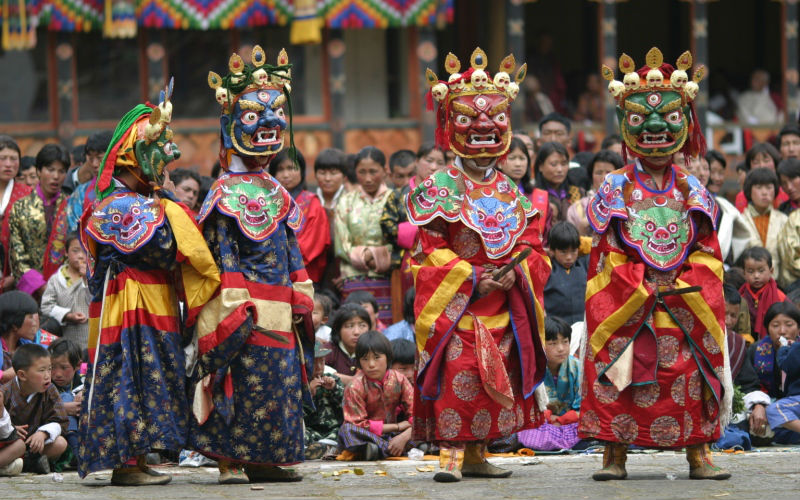
Bhutan, often referred to as the Land of the Thunder Dragon, is renowned for its vibrant culture and rich traditions, prominently showcased in its various festivals, locally known as "Tsechus." These festivals are celebrated throughout the country, with each district hosting its own unique Tsechu at different times of the year. Tshechus, or festivals, hold profound significance in Bhutanese culture and are celebrated with great fervor throughout the country. Here's an overview of their importance and why they are celebrated:
 Cultural and Religious Significance:
Honoring Guru Rinpoche: Many tshechus are dedicated to Guru Rinpoche (Padmasambhava), the revered Buddhist master who introduced Buddhism to Bhutan in the 8th century. The dances performed during tshechus often depict episodes from his life and teachings, symbolizing the triumph of good over evil.
Community Gathering: Tshechus serve as important social gatherings where Bhutanese people from all walks of life come together to celebrate, socialize, and strengthen community bonds. It is a time for families and friends to reunite and enjoy each other's company.
Blessings and Protection: Attending a tshechu is believed to bring blessings and merit to participants. People receive blessings from high-ranking lamas (religious leaders) and witness sacred mask dances performed by monks, which are believed to cleanse sins and protect from misfortune.
Preservation of Tradition: Tshechus play a crucial role in preserving Bhutanese cultural heritage. The elaborate costumes worn by the dancers, intricate mask designs, and the sacred rituals performed are passed down through generations, maintaining Bhutan's rich cultural identity.
Key Elements of Tshechus:
1. Mask Dances (Cham): The highlight of tshechus is the cham dances performed by monks and occasionally by laymen dressed in vibrant costumes and intricate masks. Each mask has specific symbolic meanings, representing deities, demons, animals, and legendary characters.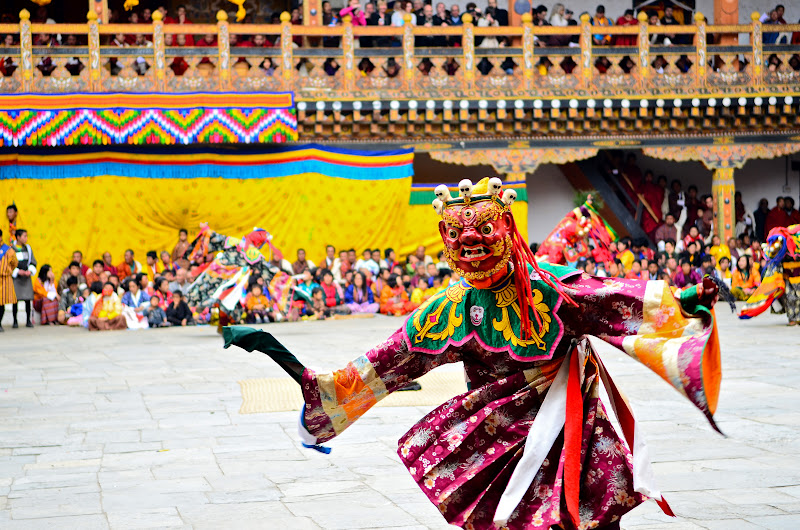
2. Religious Offerings and Rituals: Tshechus begin with religious ceremonies, prayers, and offerings to deities. Butter sculptures (tormas) and intricate mandalas made from colored sand are created as part of the rituals.
3. Community Participation: While monks lead the rituals and dances, tshechus also involve the active participation of the local community. Laypeople contribute by preparing food, offering donations, and assisting in the organization of the event.
4. Festival Grounds (Dzongs and Monasteries): Tshechus are usually held in dzongs (fortresses) and monasteries, which serve as spiritual and administrative centers in Bhutan. These locations provide a sacred and auspicious setting for the festivities.
Major Festivals in Bhutan:
1. Paro Tsechu
- Location: Paro
- Time: March/April (depending on the lunar calendar)
- Highlights: Colorful masked dances, unveiling of the Thongdrel (giant silk tapestry of Guru Rinpoche), religious rituals.
2. Thimphu Tsechu
- Location: Thimphu (capital city)
- Time: September/October
- Highlights: Traditional masked dances, cultural performances, religious ceremonies.
3. Jambay Lhakhang Drup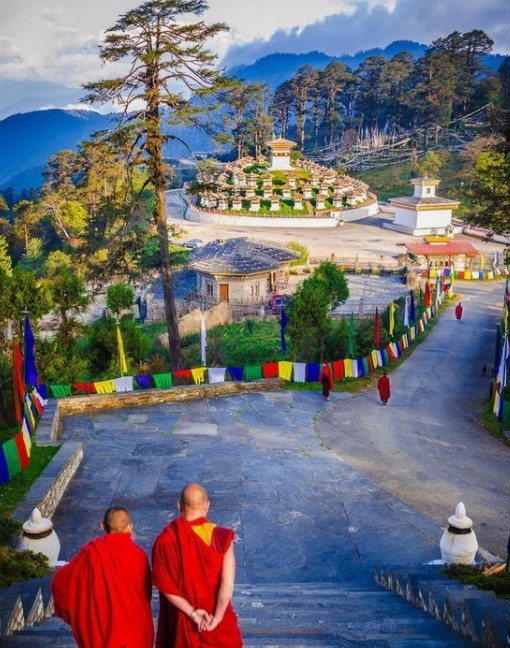
- Location: Jakar, Bumthang district
- Time: October/November
- Highlights: Special naked dance (Ter Cham) performed at midnight, religious rituals, cultural performances.
4. Punakha Drubchen & Tsechu
- Location: Punakha
- Time: February/March (Drubchen), March (Tsechu)
- Highlights: Commemorates Bhutan's victory over Tibetan forces, colorful celebrations, religious significance.
5. Haa Summer Festival
- Location: Haa Valley
- Time: July
- Highlights: Lively cultural performances, traditional sports, local cuisine.
6. Wangdue Phodrang Tshechu
- Location: Wangdue Phodrang
- Time: September/October
- Highlights: Masked dances, traditional songs and dances, unfurling of giant Thongdrel.
Other Notable Festivals:
Matsutake Festival
- Location: Ura Valley
- Time: August
- Highlights: Celebration of mushroom harvest, local delicacies, cultural insights.

Black-Necked Crane Festival - Location: Gangtey Gompa, Phobjikha Valley
- Time: November
- Highlights: Conservation awareness, crane dances, cultural performances.
Jomolhari Mountain Festival
- Location: Base of Mt. Jomolhari
- Time: October
- Highlights: Snow leopard conservation awareness, traditional sports, cultural programs.
Nimalung Festival
- Location: Nimalung Lhakhang, Bumthang district
- Time: July
- Highlights: Masked dances, religious rituals, community celebrations.
Nomad Festival
- Location: Bumthang (various locations)
- Time: September
- Highlights: Traditional nomadic culture, folk dances, cultural exchange.
Sakteng Festival
- Location: Sakteng Valley, Eastern Bhutan
- Time: June
- Highlights: Local traditions, semi-nomadic culture, community festivities.
Takin Festival
- Location: Jigme Dorji National Park, Gasa Dzongkhag
- Time: July
- Highlights: Celebrates Bhutan's national animal, cultural programs, natural beauty.
Ura Yakchoe
- Location: Ura Valley, Bumthang district
- Time: May
- Highlights: Sacred relic display, traditional dances, religious ceremonies.
Tips for Attending Festivals in Bhutan:
- Dress modestly in traditional Bhutanese attire (Gho for men, Kira for women).
- Book accommodations well in advance, as festival times are peak tourist seasons.
- Respect local customs and refrain from photography during sacred ceremonies unless permitted.
- Check with local authorities or tour operators for the most up-to-date festival schedules.
Explore the vibrant tapestry of Bhutanese culture and immerse yourself in the spiritual richness of these captivating festivals. Plan your journey to Bhutan during one of these celebrations to witness the kingdom's cultural heritage come alive in a truly unforgettable way.
This comprehensive guide highlights the diversity and significance of Bhutan's festivals, providing travelers with a deeper understanding and appreciation of the kingdom's cultural landscape.
2024 Festival Calendar:
Click here for 2024 festival Calander and 2025 tentative schedule for your advance booking.